 7 min read
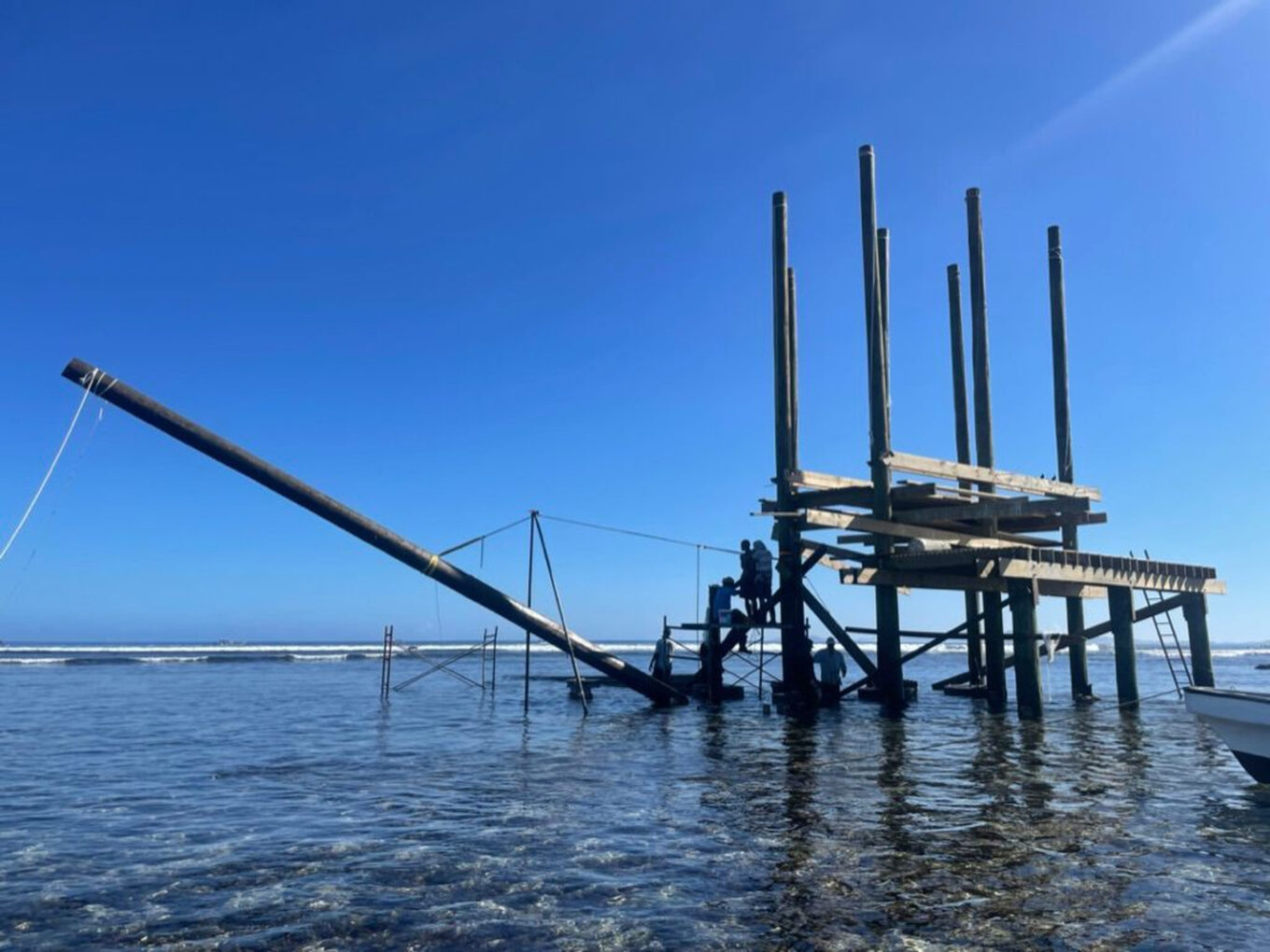
,Building in coastal and marine environments presents unique challenges. From soft, saturated ground to restricted site access, tidal movement and corrosion, traditional foundation methods can make marine construction complicated, time-consuming and expensive. Choosing the right foundation system is essential for long-term stability and durability.
EcoPile offers a practical alternative to conventional marine piling, using innovative, concrete-free foundation technology designed to simplify installation and reduce disruption in challenging environments.
Why Marine Foundations Are More Challenging
Marine and coastal construction requires careful consideration of both ground conditions and environmental exposure.
Unlike conventional building sites, waterfront locations can present several challenges:
- Soft or saturated ground: Sand, silt and estuarine soils can make foundation design and installation more complex.
- Restricted access: Waterfront locations may be difficult to reach with excavators, concrete trucks and other heavy equipment.
- Tidal and weather conditions: Changing water levels and weather can limit available construction windows.
- Corrosion: Saltwater and coastal exposure can accelerate the deterioration of steel components without appropriate protection.
- Environmental sensitivity: Excavation, sediment disturbance and concrete placement can introduce additional environmental management requirements.
These conditions make foundation selection particularly important. A suitable marine piling system needs to account for structural loads, ground conditions, durability and practical installation requirements.
How EcoPile Marine Piles Work
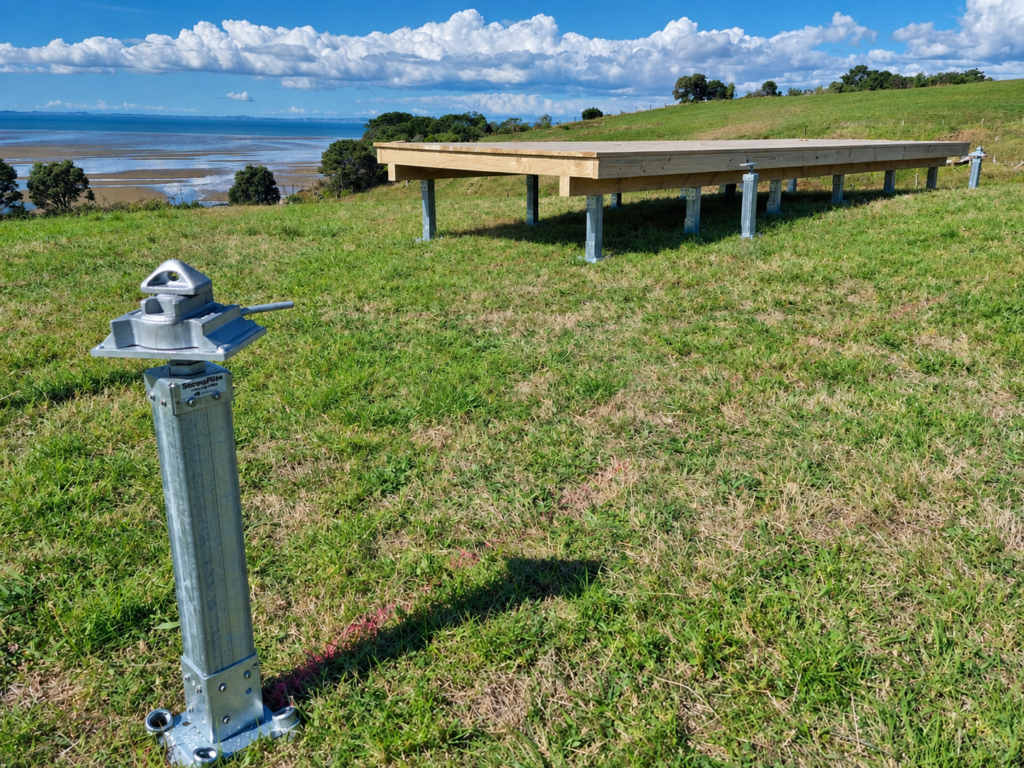
EcoPile uses a patented micropile foundation system that transfers structural loads into the surrounding ground without requiring conventional concrete footings.
The system incorporates multiple angled steel micropiles connected through a central footing assembly. This multi-directional configuration is designed to provide resistance to vertical, lateral and uplift forces.
Rather than relying on a single vertical pile, EcoPile uses its angled micropiles to engage the surrounding ground and distribute loads through the foundation system.
For marine applications, this approach can offer advantages where conventional piling methods are difficult to install.
Importantly, the suitability and capacity of each foundation depend on the specific ground conditions, structural loads and engineering design.
Five Benefits of EcoPile for Marine Construction
1. Concrete-Free
Conventional marine foundations can involve excavation, formwork, concrete delivery and curing. EcoPile removes the need for concrete in the footing system.
This means no concrete, no curing delays and no need to manage wet concrete placement around waterways.
For projects where access, tides and environmental considerations are important, eliminating these steps can make installation considerably more straightforward.
2. Fast Installation Without Heavy Machinery
Marine construction projects often operate within limited access, tidal or weather windows. EcoPile’s hand-installed system reduces reliance on heavy machinery and specialist piling equipment.
Once correctly installed, the footing can provide immediate load-bearing capacity without waiting for concrete to cure.
This allows subsequent construction activities to proceed sooner, subject to the required installation checks and engineering specifications.
3. Suitable for Challenging Coastal Ground Conditions
Coastal construction sites frequently contain soft sand, silt, saturated soils or variable ground conditions.
EcoPile’s multi-directional micropile design provides an alternative foundation approach that can be assessed for these environments.
Its angled piles develop resistance through interaction with the surrounding soil, helping the foundation resist forces acting in different directions.
4. Reduced Ground Disturbance
Protecting the surrounding environment is an important consideration for waterfront construction.
Traditional piling methods may require substantial excavation, machinery access or concrete placement.
EcoPile’s installation process avoids conventional footing excavation and concrete pouring, helping reduce ground disturbance during construction.
This can be particularly valuable near sensitive waterways, coastal vegetation and locations where machinery access would otherwise require additional site preparation.
While EcoPile can reduce construction disturbance, marine projects may still require environmental controls, resource consents and other approvals.
5. A Practical Solution for Restricted-Access Sites
Not every marine construction site can accommodate heavy equipment.
Narrow accessways, steep coastal sections, existing structures and remote waterfront locations can all make conventional foundation installation difficult.
Because EcoPile can be installed using portable equipment, it provides an alternative for sites where transporting heavy machinery or concrete is impractical.
This flexibility can simplify construction logistics and help reduce the number of activities required on site.
Where Can EcoPile Marine Piles Be Used?
EcoPile can be considered for a range of coastal and waterfront structures, subject to site-specific engineering and environmental requirements.
Jetties and wharves: Foundation support for waterfront access structures where ground conditions, structural loads and marine exposure have been appropriately assessed.
Boardwalks and coastal walkways: Concrete-free footing options for pedestrian structures, particularly where reducing excavation and construction disturbance is beneficial.
Boat ramps and waterfront access structures: Potential foundation support for associated structural elements, depending on loading, ground conditions and exposure.
Pontoons and associated structures: Foundation options for suitable supporting or access structures, with particular consideration given to movement, lateral loads and marine exposure.
The appropriate solution depends on the structure being supported and the conditions at the installation site.
Choosing the Right Marine Piling System
The best foundation solution is not simply the one that installs fastest. It must also provide the required structural performance throughout its intended service life.
Before selecting marine piles, project teams should consider ground conditions, vertical and lateral loading, corrosion exposure, installation access, environmental requirements and relevant approvals.
EcoPile’s design and engineering team can assist with technical specifications and determine whether the system is suitable for the proposed application.
By considering these factors early, builders, engineers and project owners can identify opportunities to simplify installation without compromising essential structural requirements.
EcoPile Marine Foundations
Marine construction doesn’t have to involve complicated excavation, concrete deliveries and heavy equipment.
EcoPile provides an innovative concrete-free foundation system that can make suitable waterfront projects faster and simpler to deliver.
With multi-directional anchoring, portable installation equipment and reduced ground disturbance, EcoPile offers a practical alternative for marine and coastal construction.
No concrete, digging, heavy machinery, or curing time.
FAQs
What are marine piles, and what are they used for?
Marine piles are foundations designed to support structures built in or near waterways. They are commonly used for jetties, wharves, boardwalks, pontoons and coastal access structures. Marine piling systems must account for ground conditions, structural loads, tidal movement and corrosion exposure.
Can EcoPile be used for marine and coastal foundations?
Yes. EcoPile is designed for suitable marine and coastal applications, including jetties, boardwalks, wharves and waterfront structures. Its concrete-free, multi-directional micropile system provides structural support without conventional concrete footings. Suitability depends on site conditions, engineering requirements and environmental exposure.
How does EcoPile work in soft sand or saturated coastal soil?
EcoPile uses four angled steel micropiles to transfer structural loads into the surrounding ground through skin friction, toe resistance and bearing. Its multi-directional anchoring system can be engineered for soft sand, silt and saturated coastal soils, subject to ground conditions and load requirements.
Do EcoPile marine foundations require concrete?
No. EcoPile is a concrete-free foundation system. Its steel micropiles are driven directly into the ground without conventional footing excavation, concrete pouring or curing time. This can simplify marine construction and reduce ground disturbance around sensitive coastal environments.
Can marine piles be installed without heavy machinery?
Yes. EcoPile marine foundations can be installed using portable hand-operated equipment, removing the need for conventional piling machinery or concrete pump trucks. This makes EcoPile particularly useful for restricted-access coastal sites, remote waterfront locations and projects where heavy equipment is impractical.
How long does it take to install EcoPile marine piles?
EcoPile footings can be installed in as little as five minutes under suitable conditions. Actual installation times depend on ground conditions, pile specifications, site access and project requirements. Once correctly installed and verified, EcoPile provides immediate load-bearing capacity without waiting for concrete to cure.
Are EcoPile marine foundations environmentally friendly?
EcoPile eliminates concrete from the footing system and reduces the need for excavation and heavy machinery. This can help minimise site disturbance and construction-related impacts around waterways. Environmental benefits depend on the project, and marine construction may still require environmental controls and regulatory approvals.
How do I choose the right marine piling system for my project?
The right marine foundation depends on soil conditions, structural loads, corrosion exposure, site access and environmental requirements. EcoPile’s technical team can help assess whether its concrete-free micropile system is appropriate and provide guidance on specifications and installation.